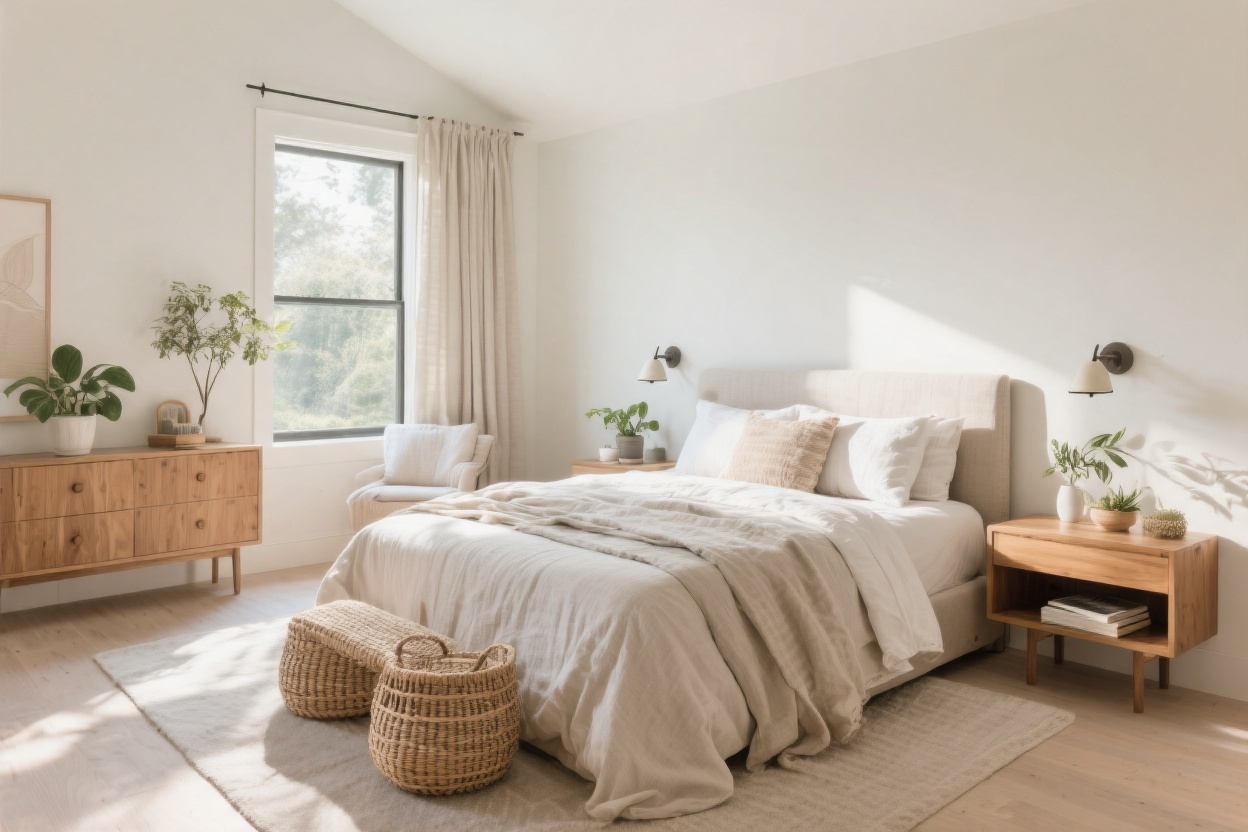
If your bedroom feels more like an obstacle course than a sanctuary, we’re fixing that—today.
7 Smart Bedroom Arrangement Ideas for Better Flow You’ll Love The right layout turns “Where did I put my charger?” chaos into a breezy, beautiful space that practically tucks you in. Grab your coffee, and let’s rearrange your life (okay, just your bedroom) for better flow and better sleep.
1. Start With A No-Stress Bed Wall
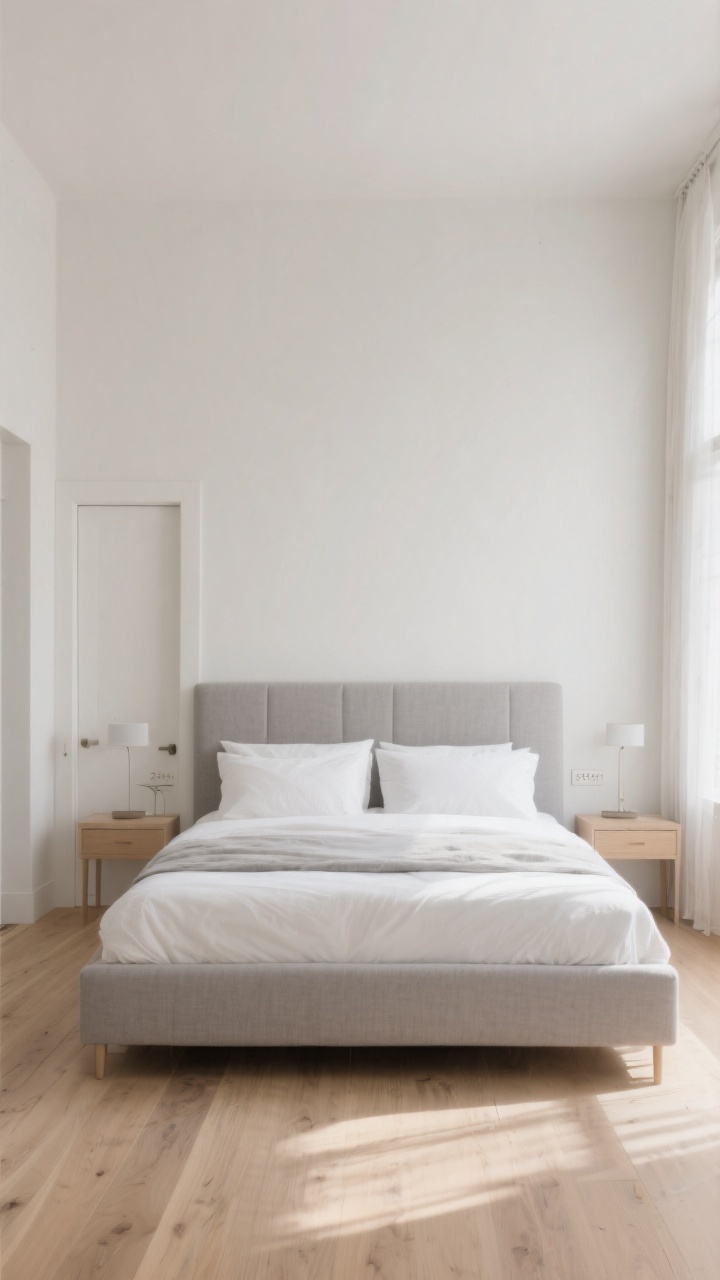
Your bed is the headliner, so give it the right stage. The best spot is usually the wall opposite the door or the one you see first when you walk in—instant calm, zero jump-scares from a looming dresser.
Pro move: center the bed on a solid wall and leave clear “runways” on both sides. That symmetry tells your brain, “We’re safe. We’re chill.”
Quick Tips
- Leave 24–36 inches of walking space on each side of the bed, if possible.
- Use a slim headboard in small rooms to save inches without losing style.
- If you have a window wall, go for a low-profile headboard so light still feels open.
2. Create A Clear Entry Zone (No Furniture Ambush)
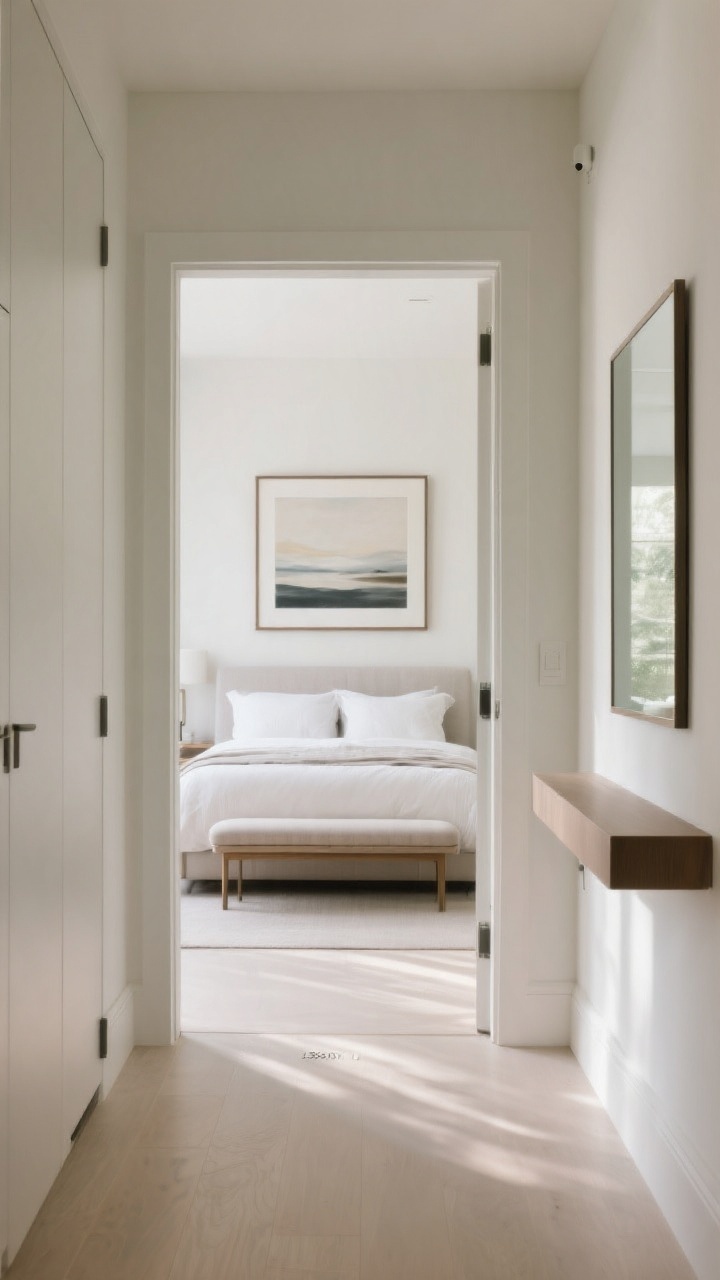
Nothing ruins flow like a dresser greeting you the second you open the door. Treat the doorway like a mini foyer—clear, welcoming, and not booby-trapped with chair legs.
Anchor your first sightline with something soft or calming: the bed, a gorgeous mirror, or a serene artwork. Save storage pieces for side walls so the entry feels open.
Quick Tips
- Keep a 36-inch path from the door to the bed—no toe-stubbing detours.
- Place a slim bench at the foot of the bed only if it doesn’t choke the walkway.
- Use a narrow console or wall shelf instead of a bulky dresser near the entry.
3. Zone Like A Designer: Sleep, Dress, Unwind
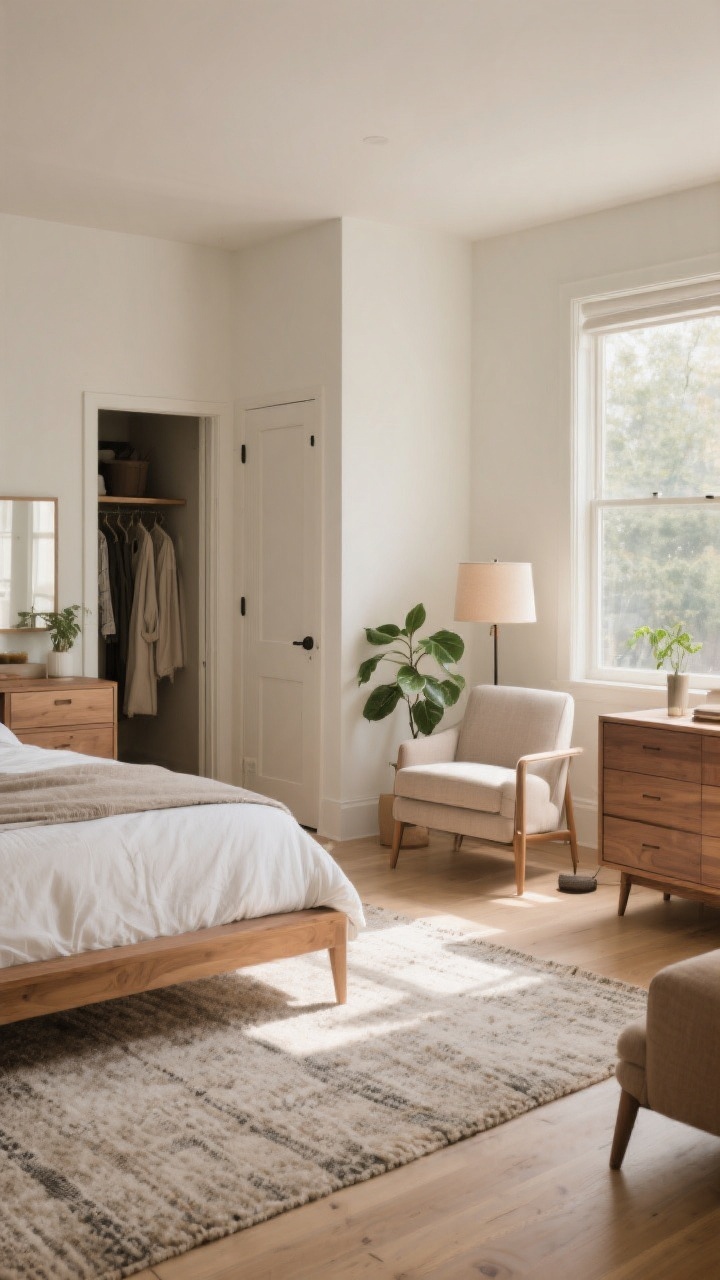
Even tiny bedrooms work harder when you create zones. Think: a sleep zone (bed + nightstands), a dressing zone (closet + dresser), and a chill zone (chair, plant, soft lamp). When each area has a job, the room stops arguing with itself.
FYI, zoning also makes cleaning easier. You’re welcome.
Quick Tips
- Use a rug to define the sleep zone; let it extend 18–24 inches beyond the sides and foot of the bed.
- Place the dresser near the closet so morning you doesn’t rage-quit at 7 a.m.
- Add a reading corner with a floor lamp where traffic is naturally low.
4. Nightstands That Actually Work (Not Just Look Cute)
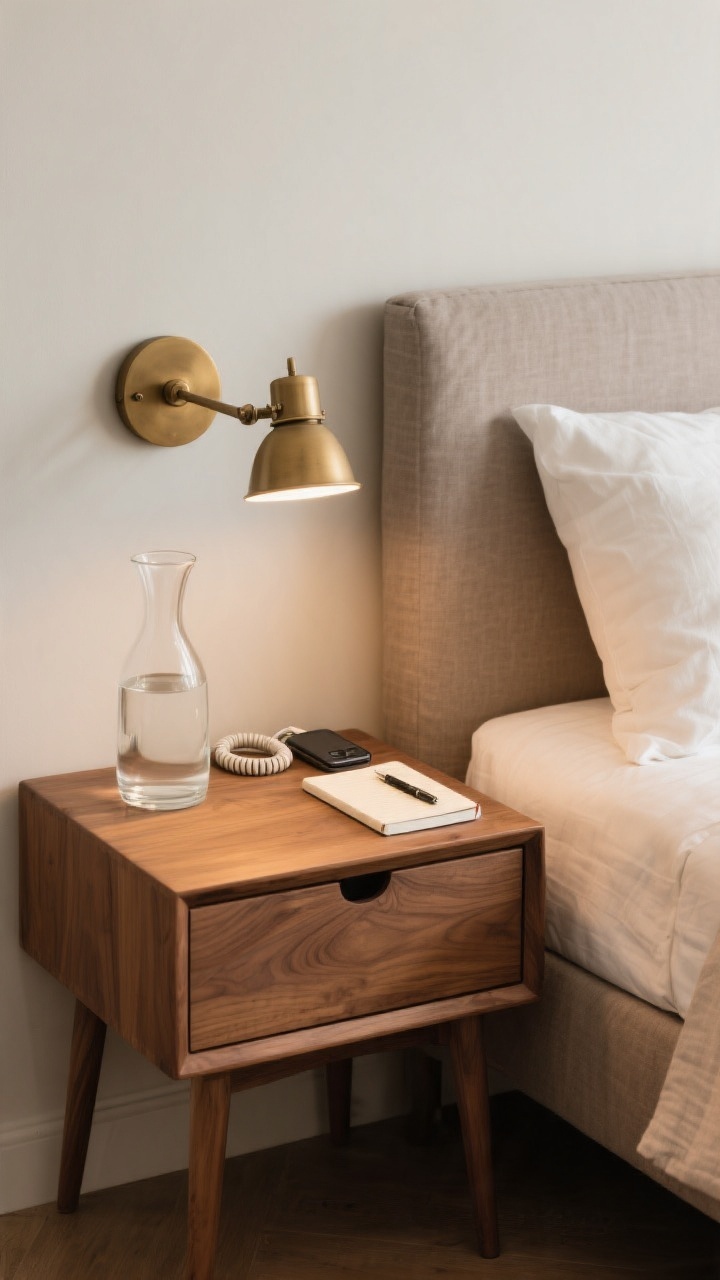
Pretty is great. Practical is better. Your nightstands should match your sleep habits—books, water, charger, maybe a journal for your late-night brilliance.
Pick pieces that fit the mattress height so you’re not reaching up like you’re flagging a taxi. And please give the lamps some love: well-placed lighting is flow gold.
Quick Tips
- Ideal nightstand height = roughly level with the top of your mattress (give or take an inch).
- Choose closed storage (drawers) if clutter stresses you out.
- Use wall sconces or swing-arm lamps to free up tabletop space—bonus points in small rooms.
5. Dressers And Closets: The Power Couple
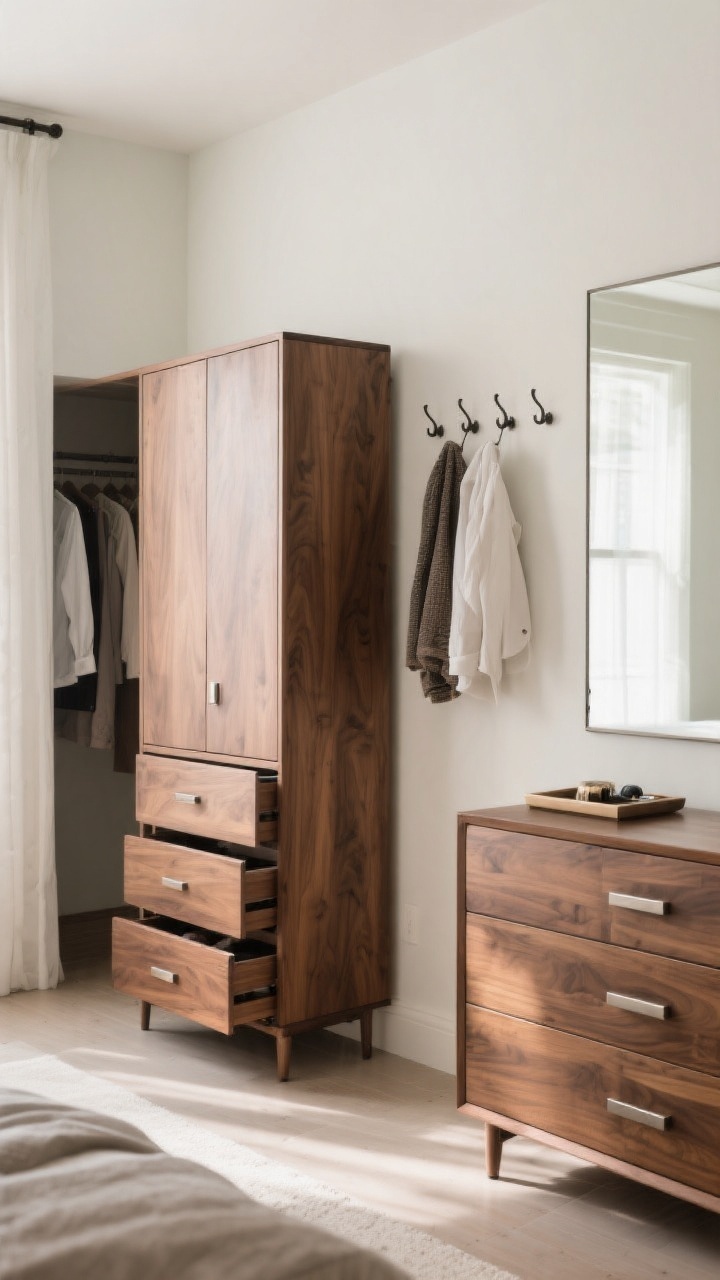
Stop playing Tetris with your clothes. Keep dressers within a smooth reach of your closet so your getting-ready flow is uninterrupted. If possible, keep big, heavy pieces on one wall so the room doesn’t feel choppy.
Measured spacing matters more than you think. A drawer that can’t fully open is the true villain of morning routines, IMO.
Quick Tips
- Allow at least 24 inches clearance in front of dressers for drawers to glide open.
- Use a tall, narrow chest when floor space is tight; it draws the eye up.
- Add hooks or a valet peg near the closet for tomorrow’s outfit—tiny change, huge win.
6. Smarter Lighting Layers For Effortless Vibes
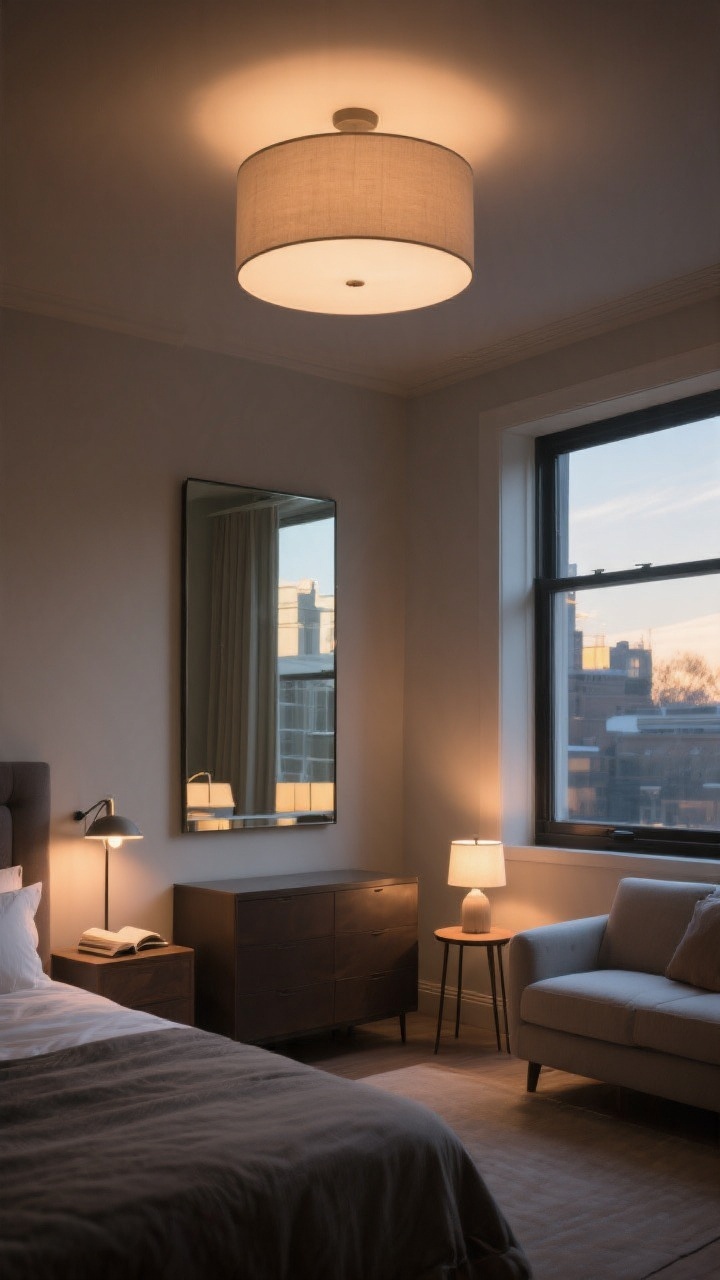
Lighting can make a cramped room feel airy or a big room feel cozy. Layer it: overhead for brightening, task lights for reading, and ambient glow for winding down. If you can dim, you can thrive.
Also, let your windows work. Arrange furniture so daylight isn’t blocked by tall pieces—your plants and circadian rhythm will thank you.
Quick Tips
- Install a dimmer on the main light—instant mood control.
- Aim reading lamps to hit pages, not eyeballs (bottom of shade at eye level when seated).
- Use mirrors opposite windows to bounce light and visually widen the room.
7. Small Room Magic: Scale, Storage, And Sneaky Lines
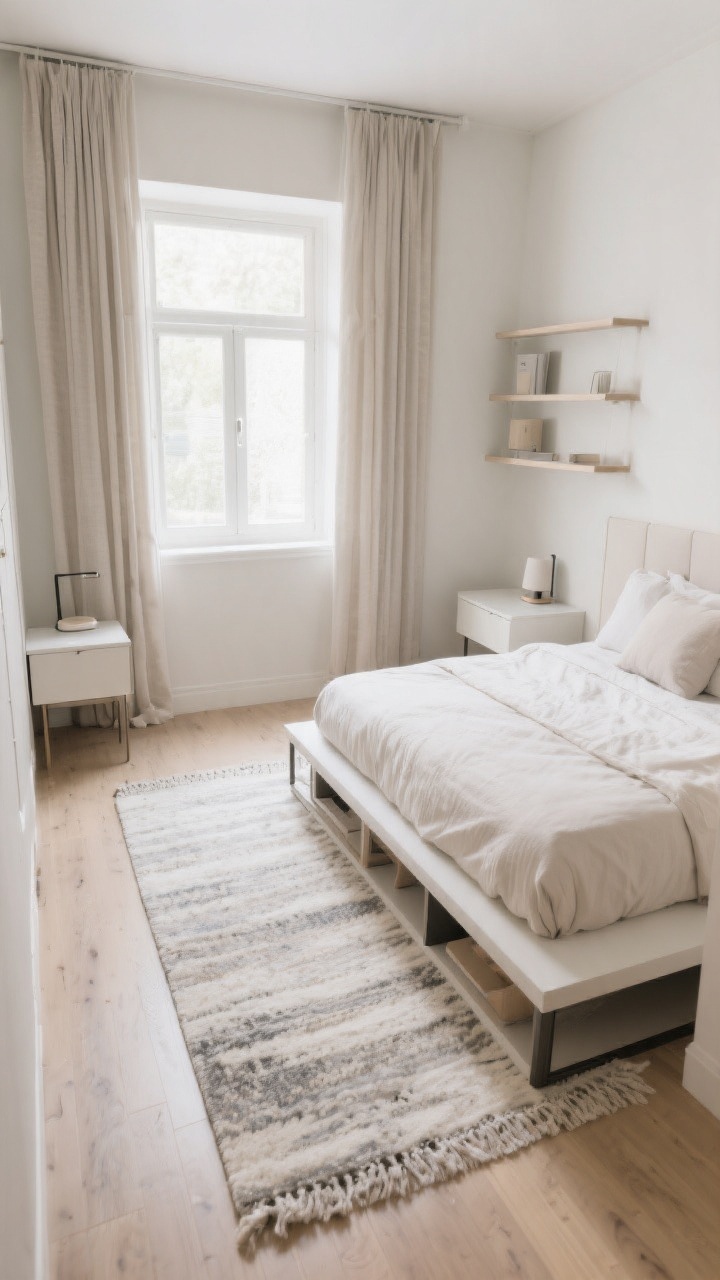
Tiny space? You’re not doomed. It’s all about scale and sightlines. Choose a bed with legs so you see more floor (visually lighter), and use storage that hugs the walls—not your shins.
Bonus trick: keep the center open. When the middle of the room is clear, everything feels bigger and the flow is instantly better. Science-ish.
Quick Tips
- Opt for a platform or storage bed to replace a separate bulky dresser.
- Pick slim-profile nightstands and wall-mounted shelves to save inches.
- Use one large rug instead of several small ones to avoid visual clutter.
- Keep curtains high and wide to lift the eye and widen the window—cheap drama, big payoff.
Bonus Layout Reminders (Because You’ll Ask)
- Queen bed: 60″ x 80″—ideal for most rooms; still leaves good circulation.
- King bed: 76″ x 80″—amazing, but plan your pathways first.
- Rug sizes: 8×10 works for queens, 9×12 for kings in most layouts.
Final Thought: Great flow isn’t about having the biggest room—it’s about being intentional with what you’ve got. Start with the bed, clear the entry, make zones, then layer lighting and storage like a pro. Tweak, step back, tweak again. You’ll feel the difference the second you walk in—calmer, lighter, and totally ready for those eight hours you keep promising yourself. You’ve got this.