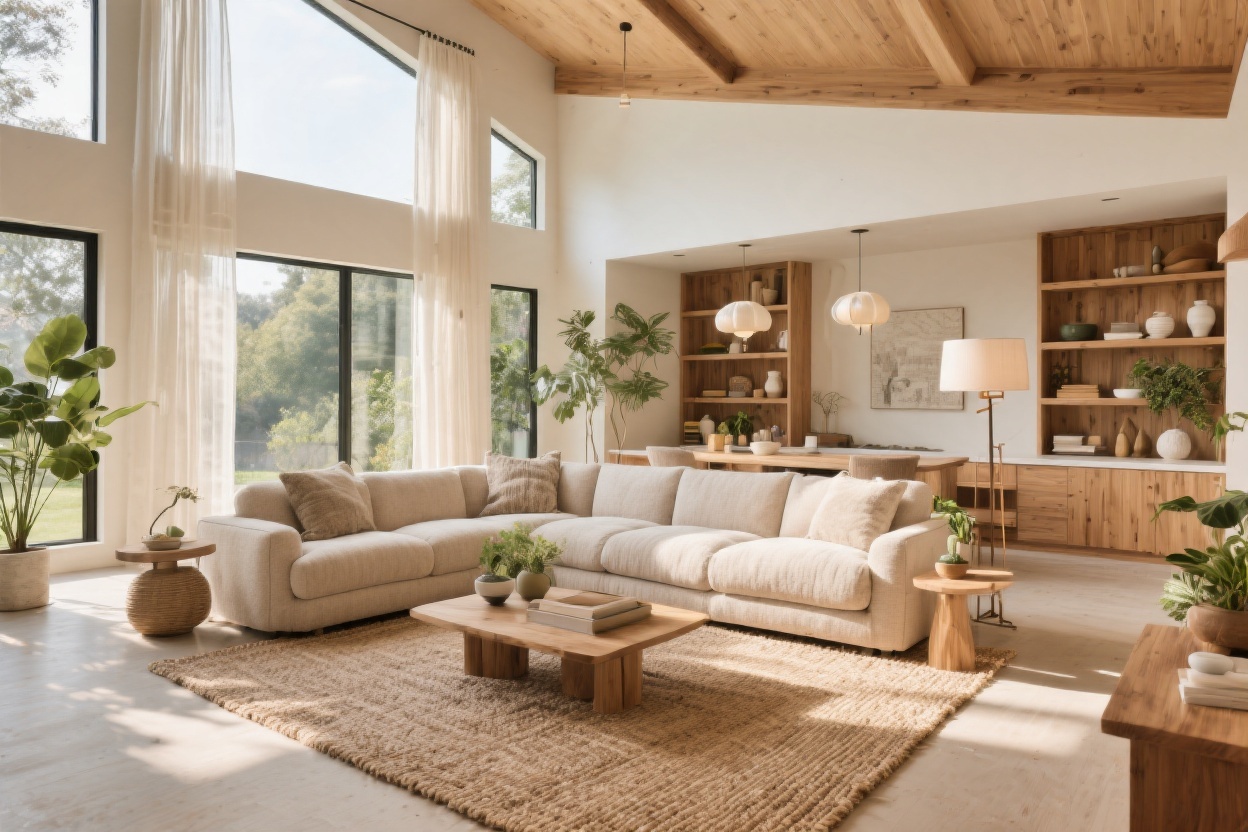
Your open concept space plus a giant sofa can look magazine-level chic—or like a furniture store exploded. Let’s make it the first one. These seven tips will help you define zones, balance scale, and make that big couch the stunning anchor it deserves to be.
1. Map Your Zones Like A Designer
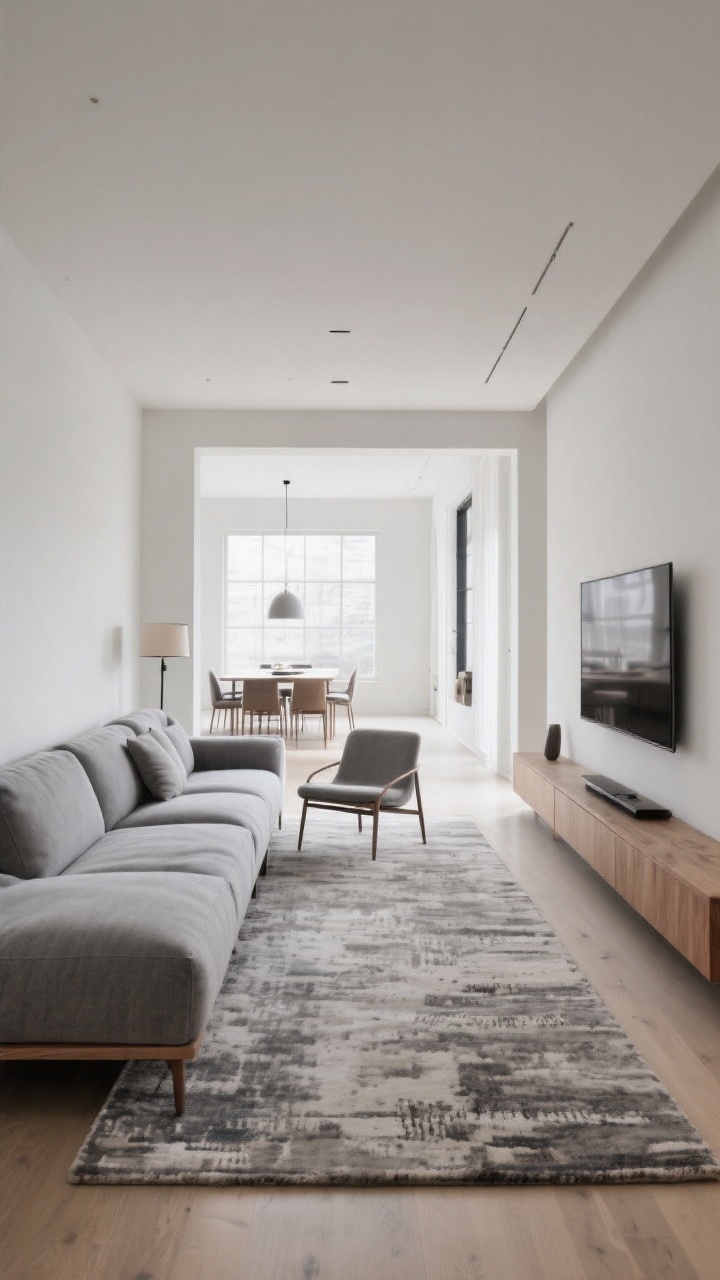
Open concept = no walls. So you’ll create “invisible walls” with furniture placement, rugs, and lighting. Start by deciding what needs to happen where: lounging, dining, working, play area—then give each activity a clear home.
Start With Your Sofa
- Float it: Pull your big sofa off the wall to carve out a living zone. The back of the sofa can subtly “block” traffic and define your seating area.
- Angle with intention: Point it toward your focal point—TV, fireplace, killer view—then build the rest around that axis.
- Rug = boundary: Choose a rug big enough that the front legs of all seating touch it. That instantly shouts, “This is the living room.”
FYI: If your space reads long and narrow, try placing the sofa perpendicular to the length to visually shorten the room and create a cozy moment.
2. Scale Smart: Balance The Big With The Airy
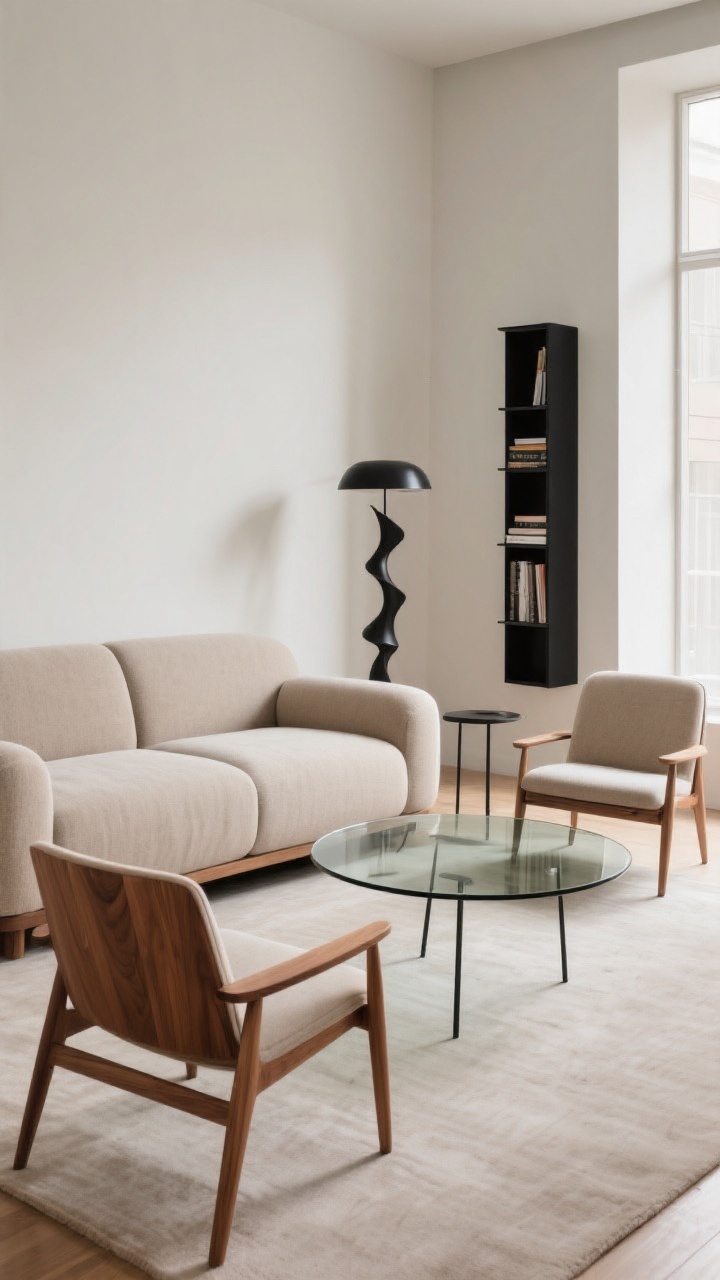
A large sofa needs supporting players that don’t make the room feel heavy. Think contrast: chunky next to slim, solid next to see-through.
Mix Your Shapes And Weights
- Pick a sleek coffee table: Glass, acrylic, or a slim wood profile keeps things open. Oval or round makes it easy to walk around.
- Go elevated with legs: Chairs and side tables with visible legs show more floor, which lightens the look.
- Vary heights: Pair low-profile seating with taller bookcases or floor lamps to avoid a “flat” horizon line.
Pro move: If the sofa is deep and low, add a couple of petite armless accent chairs to balance mass without stealing real estate.
3. Layer Textures Like A Pro (Color Comes Later)
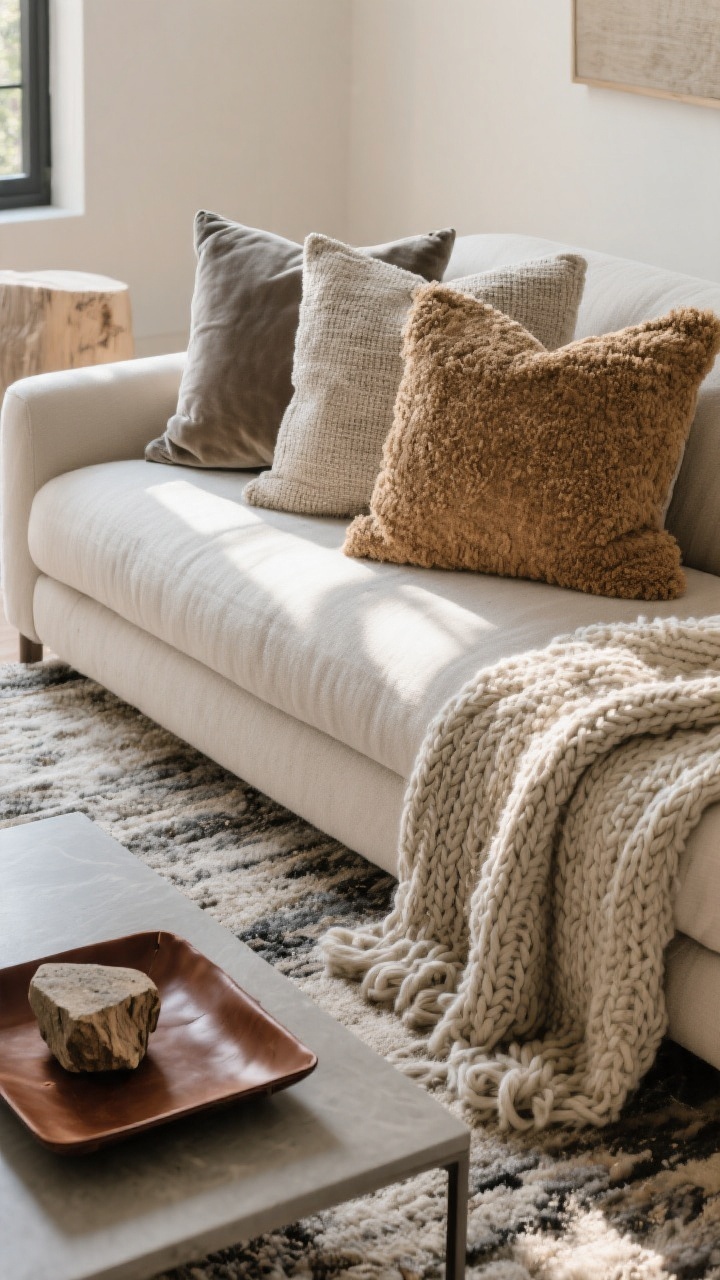
Big sofas are basically texture billboards. When you’re working with a sprawling layout, texture adds depth and keeps the eye moving.
Build A Tactile Story
- Start with soft underfoot: A wool or jute rug grounds the space and sets the mood. Jute for earthy, wool for cozy luxury.
- Throw in dimensional pillows: Mix chunky knits, linen, velvet, and bouclé. Keep the palette tight so it reads intentional.
- Add one “rough” piece: Weathered wood, hammered metal, or stone brings character and stops the room from feeling too polished.
IMO, a leather tray on the coffee table plus a boucle pillow or two is the fastest “I hired a designer” combo you can pull off in five minutes.
4. Use Lighting To Draw Pathways (And Vibes)
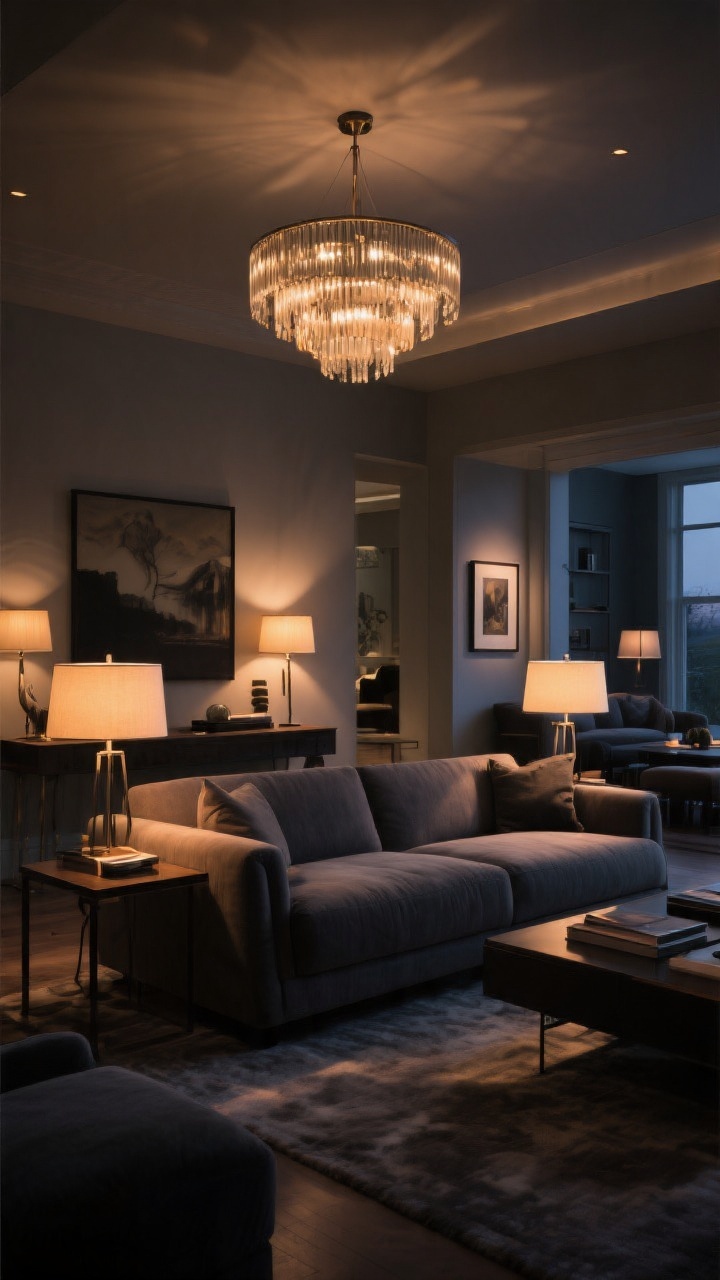
Lighting is your secret zoning weapon. It also keeps that big sofa from looking like a black hole at night.
Layer Your Lights
- Overhead for clarity: A statement chandelier above the living area instantly defines it. Choose something that spans at least half the sofa length.
- Task for function: Floor lamps behind or beside the sofa create a reading nook and visually “frame” the seating.
- Accent for mood: Picture lights, sconces, or a lamp on a console behind the sofa add warmth and depth.
Bonus: Put everything on dimmers. You’ll thank yourself when movie night flips to dinner party in two clicks.
5. Style The Perimeter: Consoles, Bookcases, And Screens
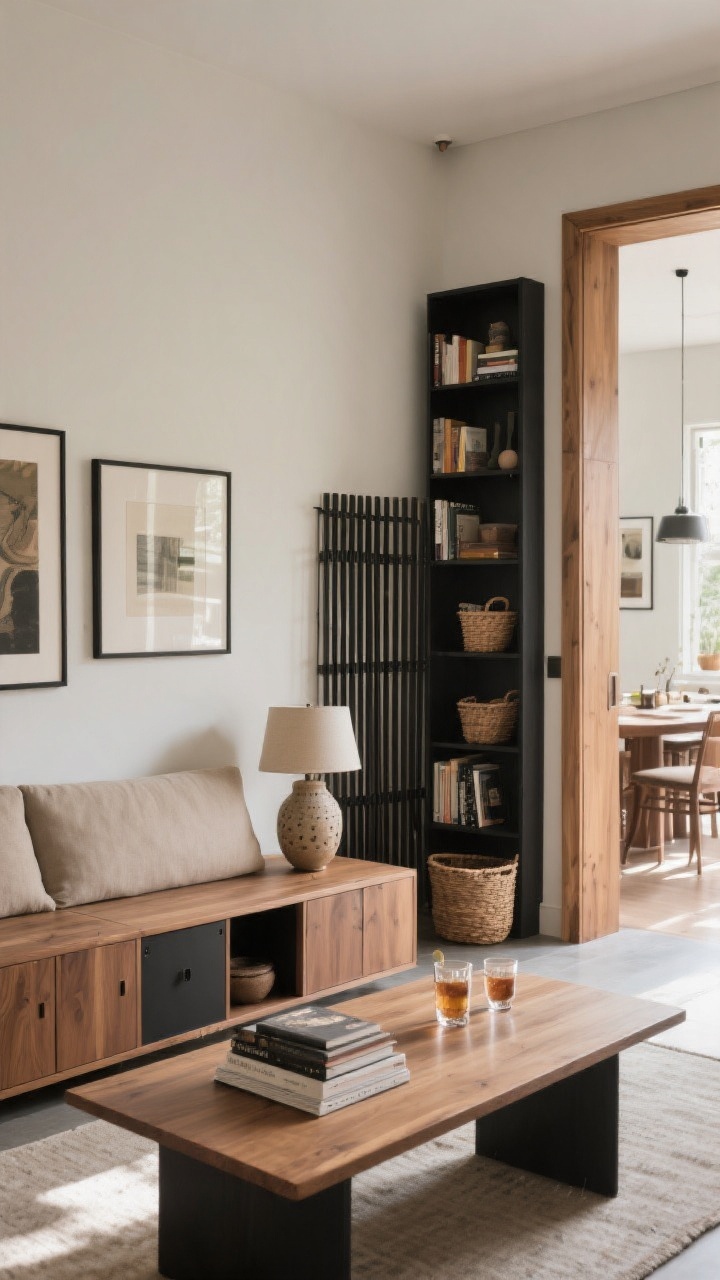
Open spaces can feel like furniture floating in the void. Bring the edges in with tall pieces and multifunctional surfaces.
Edge Control, But Make It Chic
- Console behind the sofa: Great for lamps, decor, and drinks. Choose one a few inches lower than the sofa back for a sleek line.
- Tall bookcase = faux wall: Place one at the transition to the dining area to create a subtle divide and more storage.
- Low cabinets or benches: Run them along a long wall to anchor art and stash kids’ stuff, throws, and board games.
FYI: A folding screen or slatted room divider can define the entry or workspace without killing that glorious open flow.
6. Curate Color Blocks And Repetition
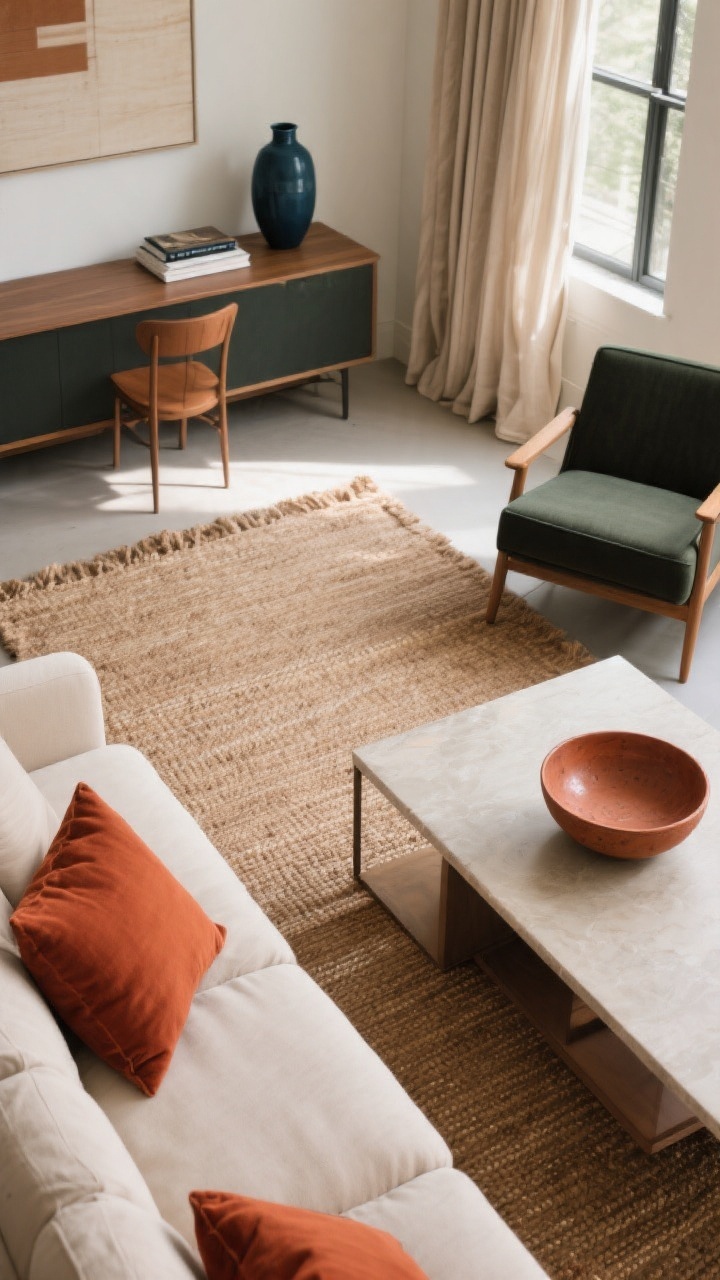
When rooms share air, they should also share a story. Use color repetition to tie zones together while letting each area have its own vibe.
Keep It Cohesive
- Choose 3-4 core colors: One dominant neutral (sofa or walls), one secondary (rugs or big chairs), and two accents (pillows, art, flowers).
- Repeat intentionally: If there’s rust in the living room pillows, echo it in dining seat cushions or a ceramic bowl.
- Vary scale: Big color on rugs or curtains, medium on throws, small on accessories so it doesn’t feel matchy-matchy.
Got a dark sofa? Balance it with lighter drapes and a mid-tone rug to bridge the contrast. If your sofa is light, ground it with a deeper rug or darker side chairs.
7. Traffic Flow, Coffee Table Math, And Sofa Survival
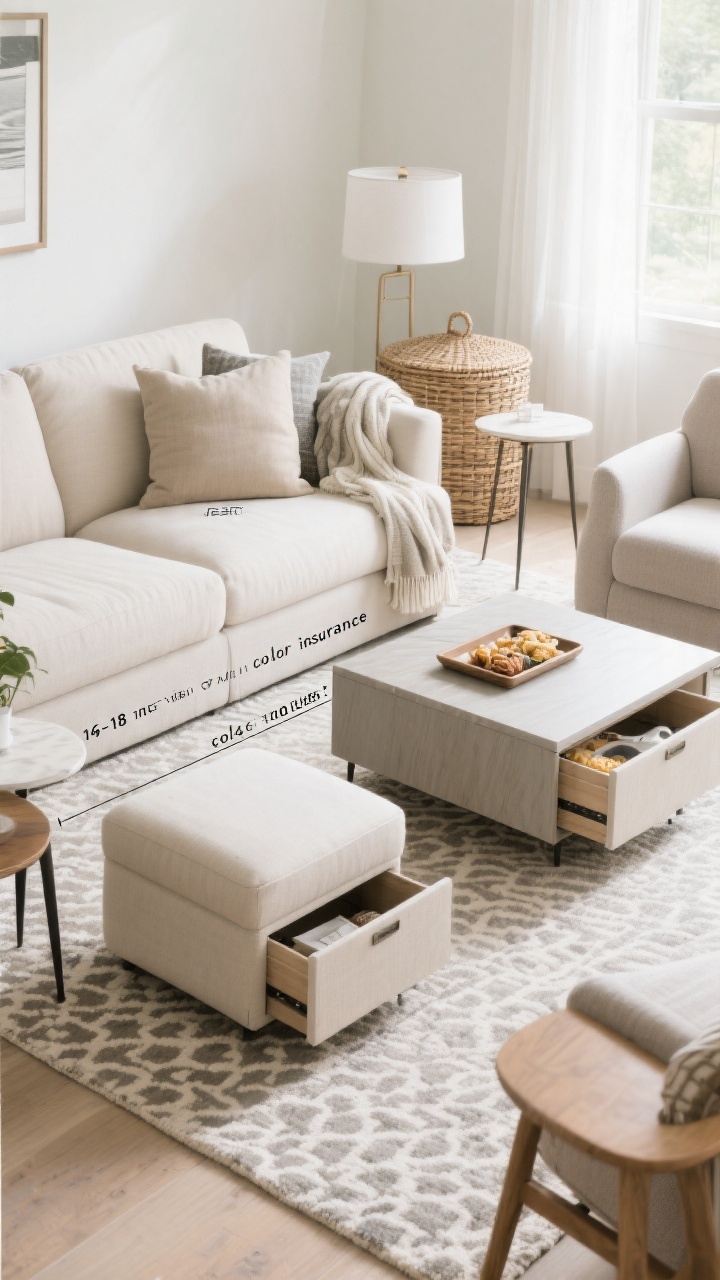
Practical doesn’t have to be boring. A few measurements and maintenance tricks keep your layout comfy and your big sofa looking fresh.
Give People Room To Move
- Walkways: Aim for 36 inches of clear path through major routes; 24 inches minimum for secondary paths.
- Seating spacing: Keep 14–18 inches between the sofa and coffee table for legroom and reachability.
- Side tables: Top should be within 2 inches of the sofa arm height so drinks don’t feel far away.
Multitask Without Mess
- Ottomans with storage: Hide blankets, remotes, and games; add a tray for snacks.
- Nestable tables: Pull out for guests, tuck in when not needed—perfect for open layouts.
- Baskets, but stylish: One big lidded basket near the sofa keeps throws corralled and visual clutter low.
Keep That Big Sofa Gorgeous
- Rotate cushions: Weekly if you can. It evens wear and preserves shape.
- Fabric care: Scotchgard performance fabrics; for linen, embrace the lived-in creases—it’s the point.
- Color insurance: Use a patterned or mid-tone rug under a light sofa to hide daily life (pets, crumbs, you know).
There you go—seven smart, style-forward moves to tame an open concept living room and make your big sofa the star. Start with zones, balance your proportions, and finish with lighting and texture. You’ve got this, and your space is about to look insanely good.