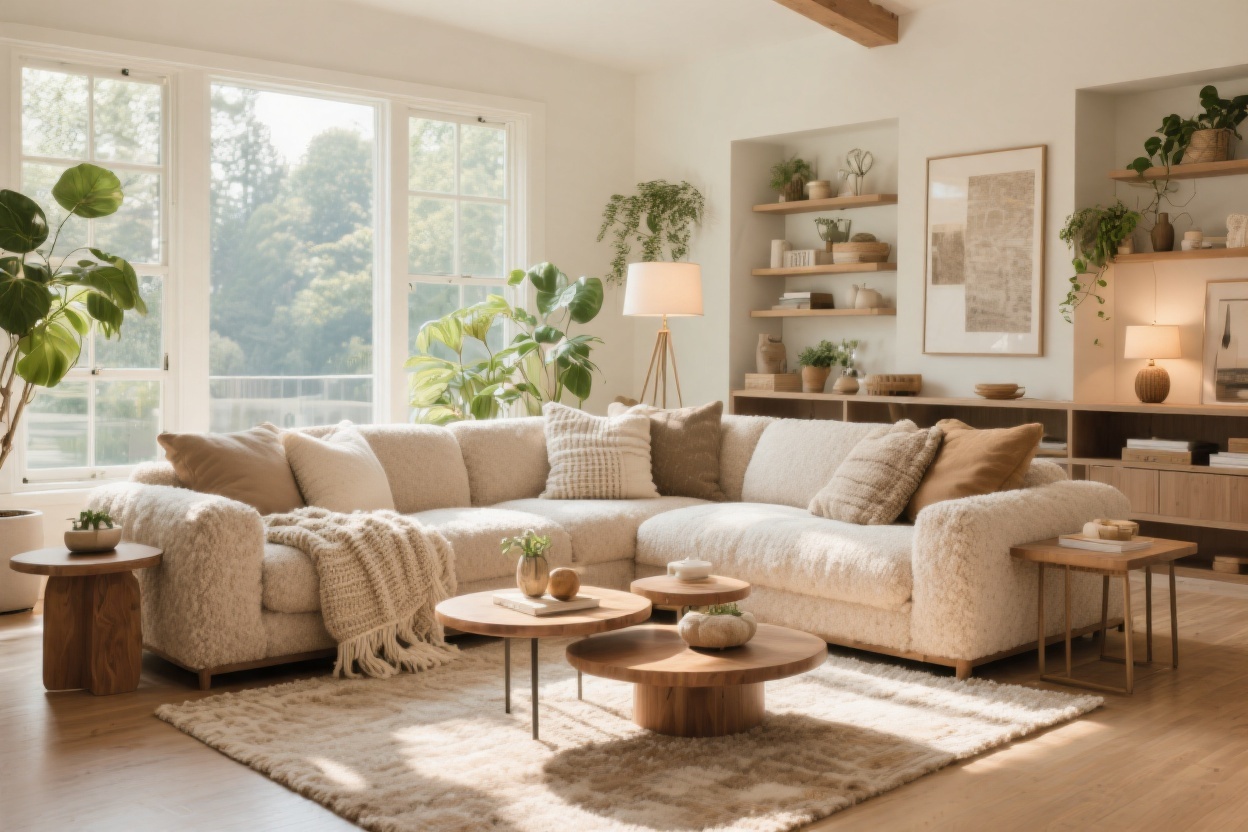
You bought the sectional. Congrats—you basically own the Swiss Army knife of sofas. Now the real question: where do you put that glorious, nap-approved L-shape (or U-shape) so your living room feels cozy, not chaotic? I’ve got you. Here are seven smart, seriously comfy layout ideas that make your sectional the star—and your space way more livable.
1. Command Central: The Classic L With A View
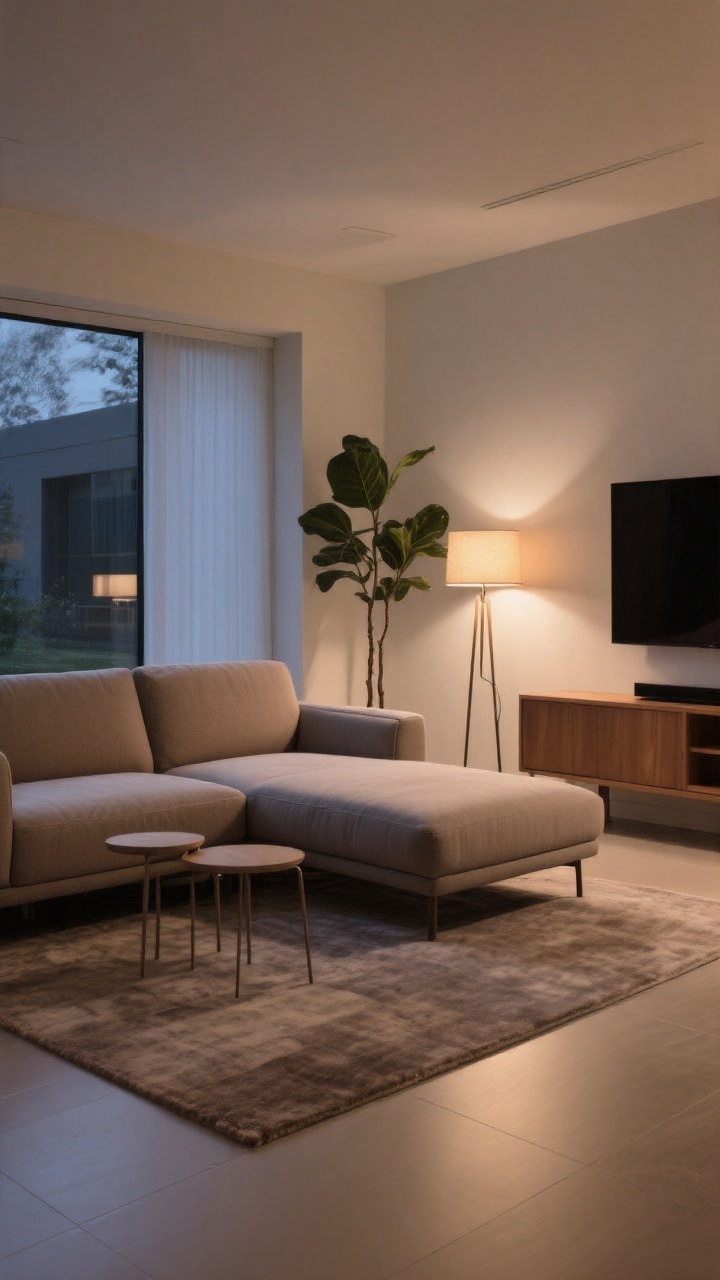
When in doubt, go L-shaped with the longer side hugging a wall and the chaise (or shorter side) stretching into the room. It’s clean, efficient, and makes your sectional feel anchored without eating up the entire floor.
Why It Works
- Natural anchor: The wall gives the sofa a solid “back,” so the room feels grounded.
- Great for TV zones: Angle the L toward your media unit for cinema nights.
- Easy traffic flow: Open sides keep walkways clear.
Styling Tips
- Float your rug: Aim for front legs of the sectional on the rug; it visually unifies the area.
- Balance with height: Add a tall floor lamp or plant to the open end so it doesn’t look lopsided.
- Side table strategy: Nesting tables slide under the chaise = space-saving magic.
2. Conversation Station: U-Shape Around A Coffee Table
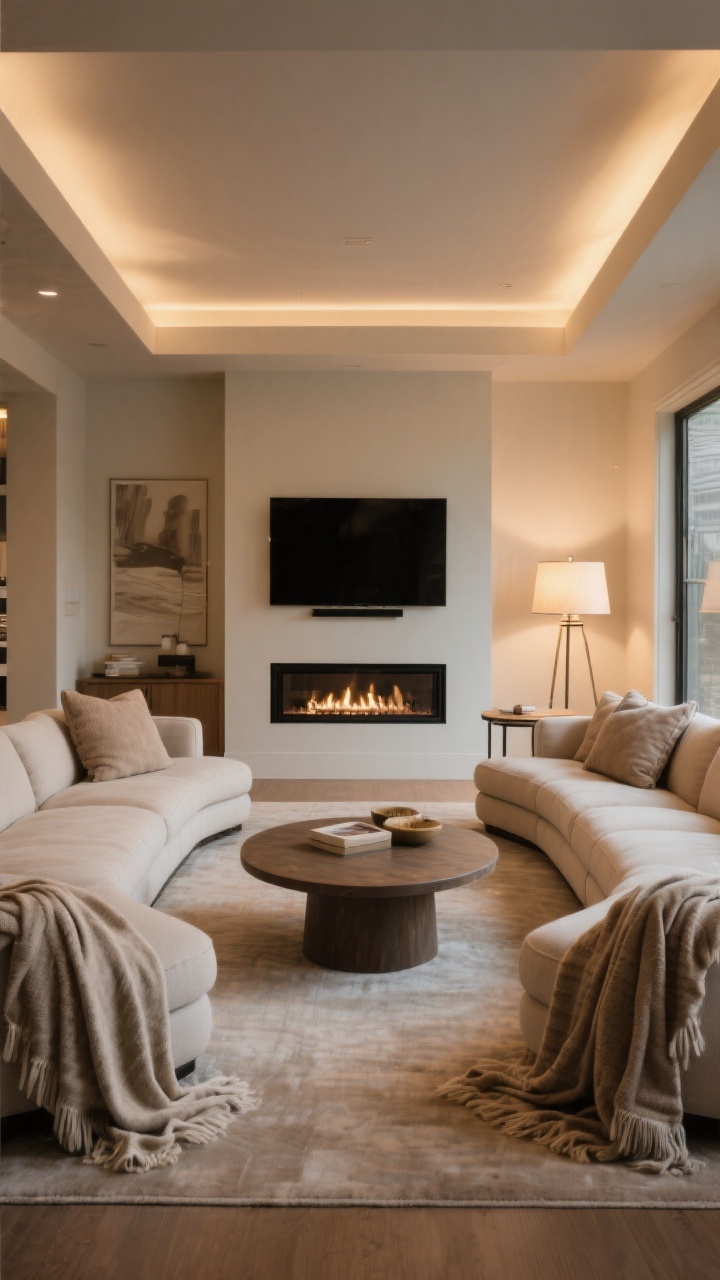
For the social butterflies (or board-game champions), a U-shaped layout makes the room feel like a cozy conversation pit—minus the 70s shag carpet. Place the coffee table dead center and watch the vibes instantly elevate.
Why It Works
- Equal sightlines: Everyone can see everyone—no craning necks, no awkward angles.
- Ultra-cozy: Feels like a hug from your furniture. In a good way.
- TV or fireplace friendly: The open end frames your focal point.
Styling Tips
- Round coffee table: Softer edges mean easier circulation and fewer shin collisions (FYI).
- Layer lighting: A low, wide table lamp on one side and a floor lamp on the other to balance.
- Throw blanket symmetry: Drape throws on the two “arms” of the U to visually connect both sides.
3. Float It: Center Stage With Space To Breathe
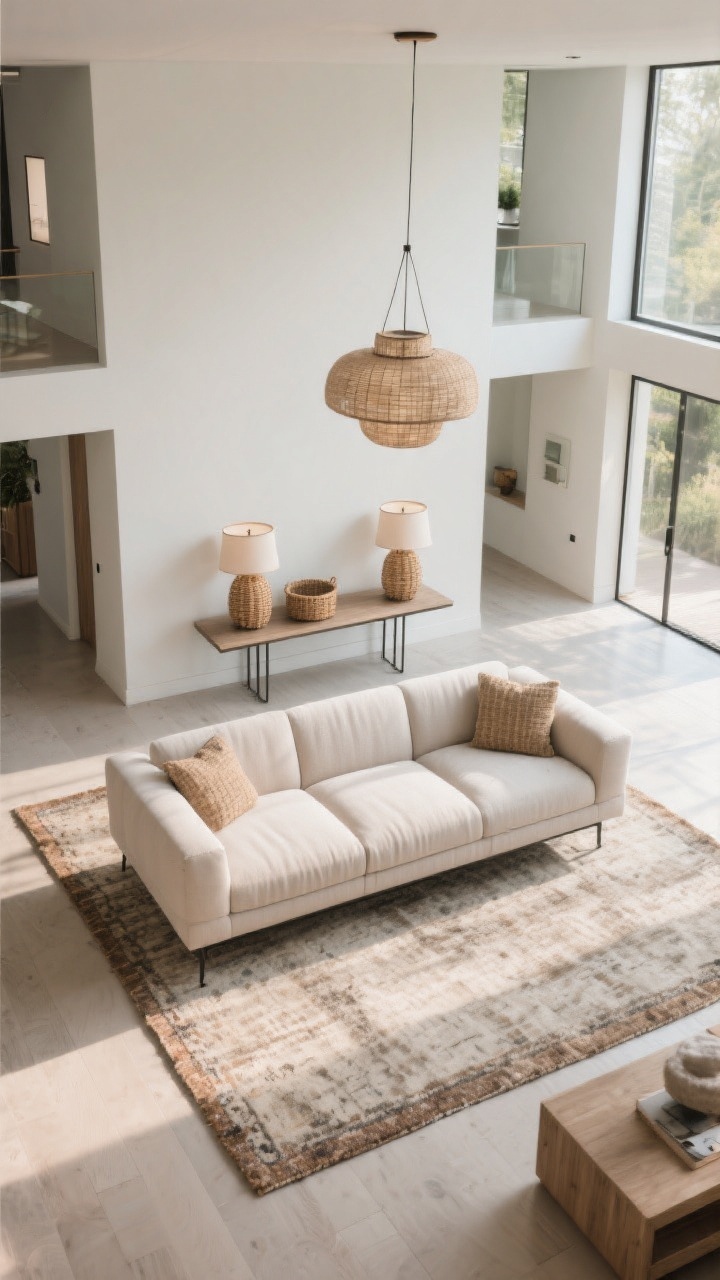
Got an open plan or a bigger room? Float your sectional in the center instead of hugging a wall. It creates a defined lounge zone and looks incredibly designer-y without trying too hard.
Why It Works
- Room divider: The back of the sofa subtly separates living from dining or entry areas.
- Flow-friendly: Open paths all around keep the space airy.
- Show off the sofa: Perfect if the back has pretty tailoring or texture.
Styling Tips
- Console table behind: Add a slim console with lamps and baskets to make the back look intentional.
- Big rug, big impact: Choose a rug that extends at least 8–12 inches beyond the sectional edges.
- Ceiling focal point: Anchor with a statement pendant to “center” the zone vertically.
4. Corner Cozy: Tuck It In With Layers
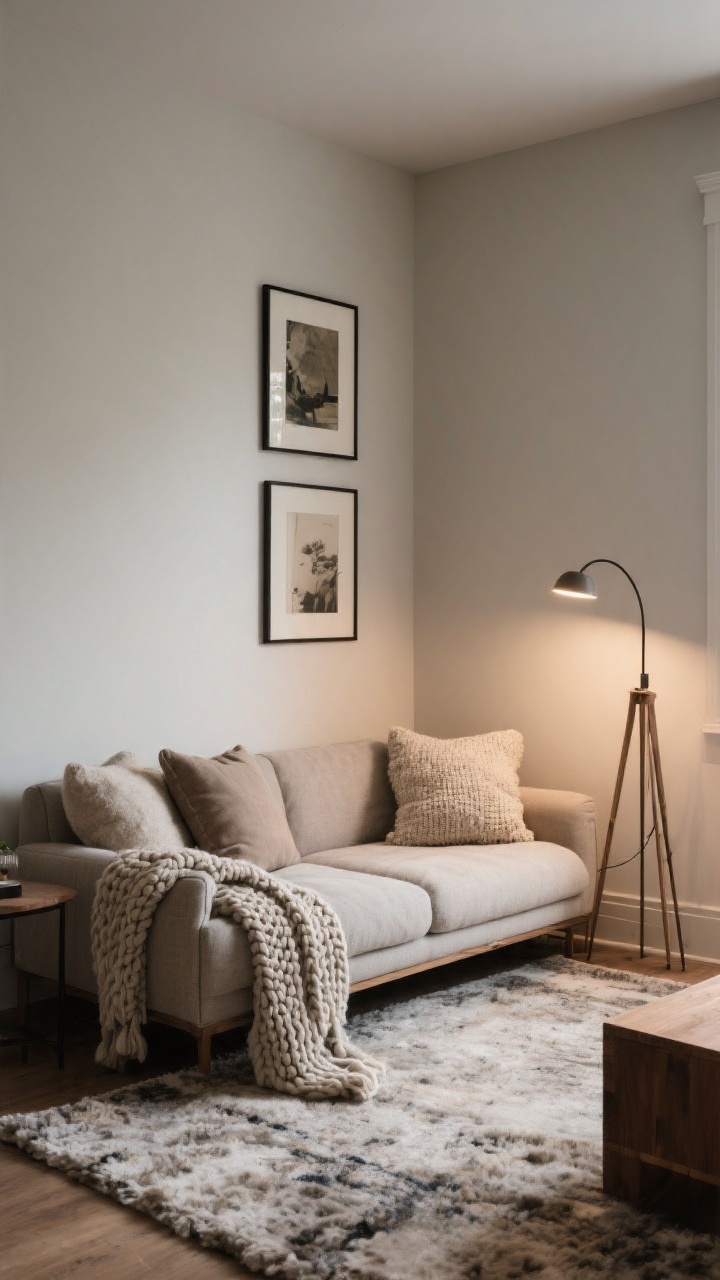
Small room? Embrace the corner. Tuck the sectional into a corner nook for the ultimate cozy den effect. It’s like your living room is giving you a warm hug (minus the awkward pat on the back).
Why It Works
- Maximizes square footage: Corners are free real estate—use them.
- Instant intimacy: The L cradles the space for chatting, reading, or bingeing.
- Great for low ceilings: Keeps sightlines clean and calming.
Styling Tips
- Vertical art stack: Hang two or three frames above the back to draw eyes up.
- Corner floor lamp: Arc lamp or tripod lamp to brighten the nook without taking table space.
- Soft textures: Layer a plush rug, nubby pillows, and a chunky knit throw for depth.
5. The Split-Level: Face-To-Face With Chairs
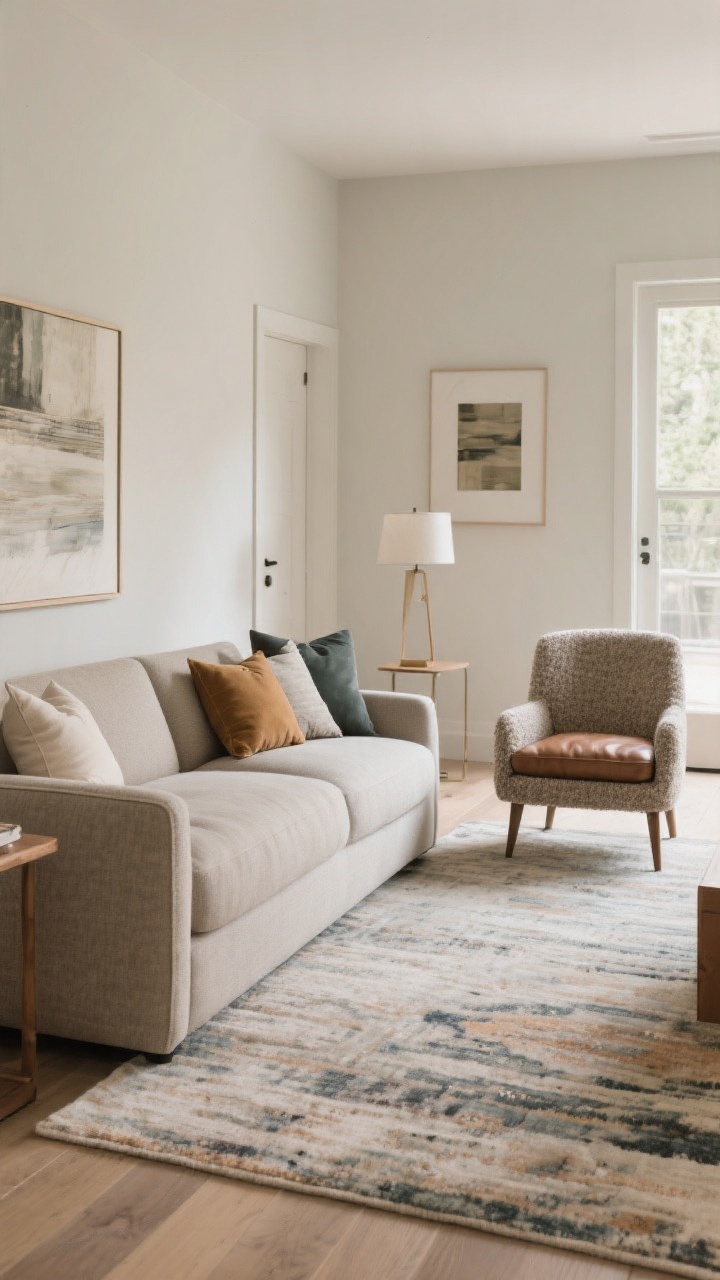
Want balance without a matching set? Pair your sectional with two accent chairs facing the open side. It creates a chic, semi-symmetrical setup that still feels relaxed.
Why It Works
- Flexible seating: Chairs can swivel toward the TV or the convo.
- Visual balance: Chairs counter the sectional’s visual weight.
- Perfect for odd rooms: Great when windows or doors limit wall space.
Styling Tips
- Leave a lane: Keep 30–36 inches of walkway behind the chairs for easy movement.
- Mix materials: If your sectional is fabric, go leather or bouclé for the chairs (texture party, IMO).
- Unify with color: Pull chair pillow colors from your rug or art to tie it all together.
6. Media Maven: Diagonal Drift Toward The Focal Point
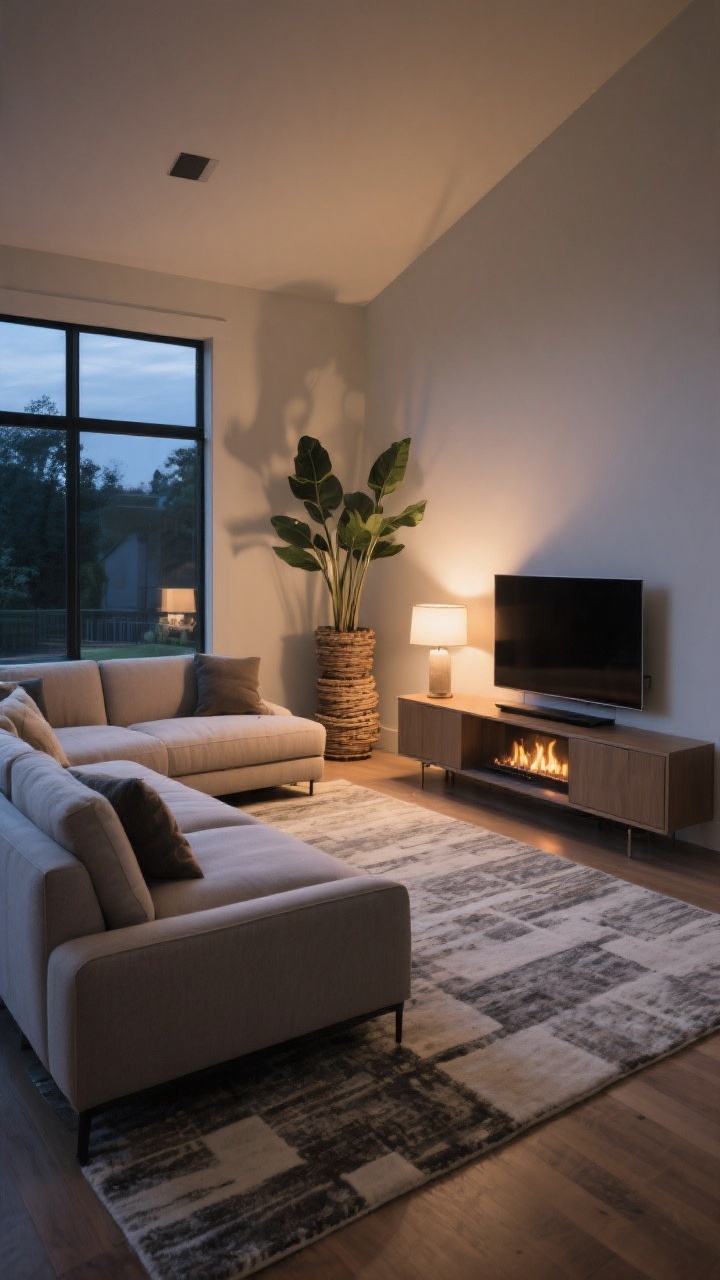
If your TV or fireplace sits off-center, try a subtle diagonal placement. Angle the sectional so it points directly at the focal point—no more neck craning, no more “can you move?” during movie night.
Why It Works
- Optimized sightlines: Everyone gets a great view, even from the chaise.
- Softens a boxy room: Diagonals add movement and visual interest.
- Hides awkward corners: An angled back can disguise empty, tricky spots.
Styling Tips
- Triangular rug placement: Rotate your rug slightly to echo the angle—instant cohesion.
- Corner credenza: Use an angled console for the TV to keep lines consistent.
- Plant power: Fill the “negative” corner behind the sectional with a tall plant or basket stack.
7. Modular Magic: Break And Build Zones
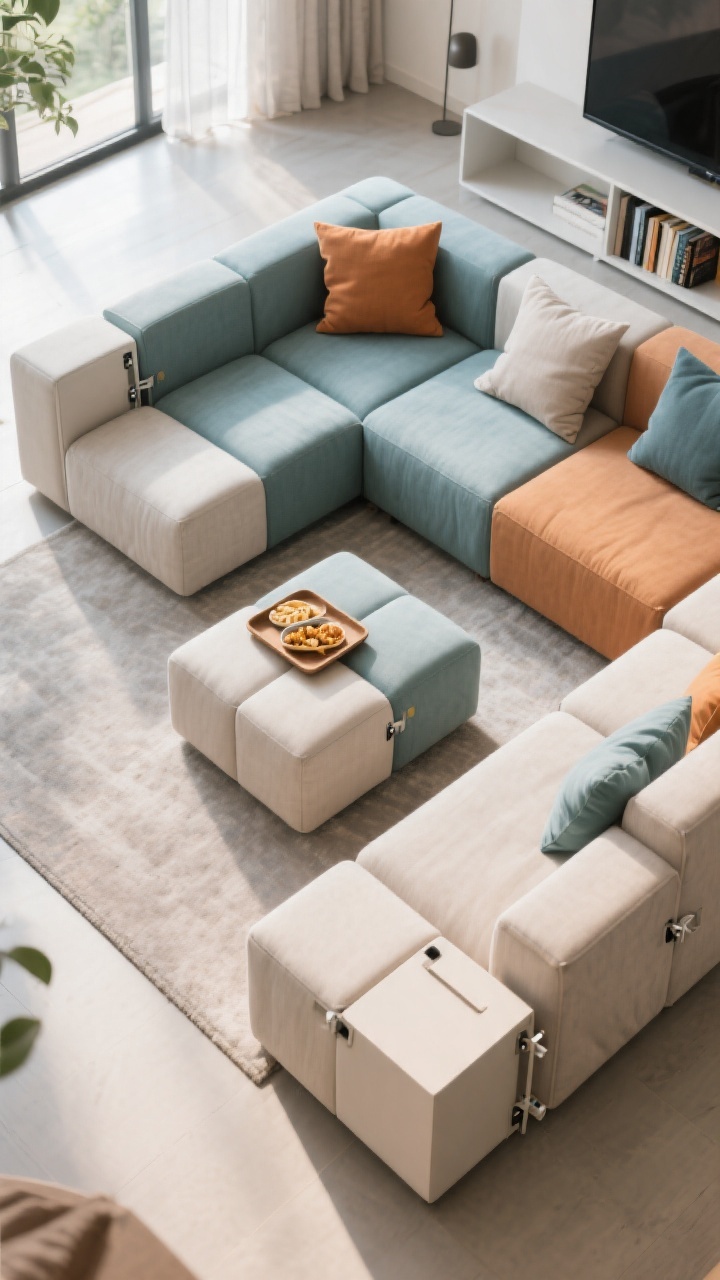
Got a modular sectional? You’re basically playing decor Tetris—and winning. Split the pieces to create two micro-zones or reassemble for party mode. It’s the most adaptable setup for real life (kids, pets, guests, the whole circus).
Why It Works
- Reconfigurable: Switch from L to chaise to daybed in minutes.
- Zoning hero: Use an ottoman piece to divide lounge and reading corners.
- Future-proof: Moves easily if you rearrange or change homes.
Styling Tips
- Use a double-duty ottoman: Add a tray for snacks; slide away for foot-up lounging.
- Color-code sections: Group pillows by zone (warm tones for reading nook, cool for TV area).
- Hidden connectors: Keep furniture clips handy so pieces don’t drift apart mid-nap (tragic).
Bonus Layout Rules That Always Help
- Scale your rug: In most living rooms, 8×10 or 9×12 beats a too-tiny rug every time.
- Coffee table math: Table should be about two-thirds the sofa length; leave 14–18 inches between sofa and table.
- Lighting trio: Overhead light, floor lamp, and table lamp make a space feel finished.
- Pillow formula: Mix sizes (22″, 20″, lumbar) and textures; stick to 2–3 colors max for cohesion.
- Traffic lanes: Keep at least 30 inches clear where people walk most.
Ready to rearrange? Pick the layout that matches your life—movie marathons, book club, toddler chaos, or all of the above—and make that sectional work hard for you. Move a lamp, shift a rug, test an angle, and trust your eye. You’ll feel when it clicks. And when it does, dibs on the chaise.